

Is the U.S. Equipped with the Right Military Metals?
Key Takeaways:
- Western countries are prioritizing domestic critical mineral exploration and development amid China’s dominance in global supply.
- Critical minerals are essential to military defense and stable supply chains.
- The U.S. has abundant critical mineral resources, but the question is how the nation will support the development of these projects.
The time to build domestic supply chains is now. China currently accounts for roughly 70% of global rare earth mine production, but its real strategic advantage lies in refining and processing, where it controls approximately 85-90% of rare earth separation capacity and dominates the processing of many critical minerals.
The Trump administration expanded the list of critical materials late last year, underscoring the growing recognition that the United States needs a stable, resilient supply of critical minerals, especially for national security.
But with these minerals now at the forefront of strategic priorities, a pressing question emerges: Is the United States prepared to meet its own critical mineral demand?
Critical Minerals Are Powering the U.S. Military
Critical minerals play a vital role in modern defence systems, supporting everything from precision-guided weapons to satellite communications. Emerging technologies such as hypersonic missiles, advanced missile defenses, and AI-driven autonomous platforms are intensifying this demand.
The applications of critical minerals are extensive with modern innovations.
Niobium alloys (like C-103 and newer variants such as Super C103™) are used in hypersonic missiles and nuclear systems because they can withstand extreme thermal and mechanical stress. Tungsten, known for its high density and melting point, is used in missile stabilization systems and drone-dropped munitions.
Lithium enables lightweight, high-energy power systems for electronics, sensors, and portable laser weapon platforms, with lithium-based batteries providing compact energy storage. Synthetic graphite is essential for managing heat in laser systems and advanced sensors.
Advanced technologies are reshaping warfare, making secure access to critical minerals vital for military applications.

The Problem: Sourcing and Producing Critical Resources
Demand for critical minerals will continue to rise, driven by both military needs and net-zero goals. The International Energy Agency (IEA) forecasts that demand will need to triple by 2030 and quadruple by 2040. With demand set to rise sharply, how is the U.S. positioned today?
While the United States is currently ahead of the European Union in reducing dependence on critical mineral imports, many of the minerals it imports are available domestically but are not produced due to economic, geological, or policy constraints.
China dominates global supply chains, refining 19 of the 20 key strategic minerals with an average market share of about 70%, according to the IEA’s Global Critical Minerals Outlook 2025. This underscores the U.S.’s underdeveloped mining sector, as China’s advantage extends beyond mining into processing capabilities.
For the United States and its partners, the priority is clear: securing critical minerals supply requires not only expanding mining capacity but also strengthening domestic and allied processing capabilities. Building this capability would support a stable critical mineral ecosystem, fueling new battery plants to meet growing demand and accelerating the expansion of domestic mining and chemical processing infrastructure.
The Long-Term Approach: Investing in Domestic Critical Mineral Projects
The U.S. domestic critical minerals industry is entering a new phase, driven by initiatives aimed at stimulating the sector. The Trump administration has focused on advancing progress across the critical minerals supply chain through financial and regulatory tools.
The federal government is also allocating millions in grants to accelerate supply chain security and support collaboration with private industry. It is also pushing for international partnerships to strengthen supply chains.
Global demand for critical minerals is surging, driven by clean energy, advanced technologies, and national security priorities. North American companies with strategic mineral assets are well positioned to benefit as supply chains move closer to home.
InvestorTV’s mining webinar, held last January, offers key insights into how North American companies are adapting to this shift.

Securing U.S. Critical Minerals Supply for Long-Term Growth
Supporting the development of critical minerals is essential for securing the U.S.’s national security future. These resources are powering innovations in clean energy, advanced manufacturing, and modern defence systems.
By investing in domestic mining and processing, the U.S. can reduce reliance on foreign supply, strengthen domestic supply chains, and ensure critical minerals are available to advance innovation, protect national interests, and drive long-term economic growth.


FUTR Brings Consumer Data Protocol Thesis to IEEE Blockchain Forum During Toronto Tech Week
Key Takeaways:
- Western countries are prioritizing domestic critical mineral exploration and development amid China’s dominance in global supply.
- Critical minerals are essential to military defense and stable supply chains.
- The U.S. has abundant critical mineral resources, but the question is how the nation will support the development of these projects.
Disseminated in behalf of The FUTR Corporation (TSXV: FTRC | OTCQB: FTRCF | FSE: QA20).
Artificial intelligence and blockchain are moving from early-stage technology conversations into more mainstream discussions around payments, commerce, finance, and consumer data.
That shift was clear at the IEEE Canada Blockchain Forum 2026, held on May 25 during Toronto Tech Week at the Ontario Investment and Trade Centre in Toronto, where The FUTR Corporation presented its keynote, “The Missing Layer: Why Agentic Commerce Needs a Consumer Data Protocol.”
The event brought together builders, researchers, academics, engineers, executives, and financial technology leaders to discuss blockchain infrastructure, digital payments, tokenized assets, stablecoins, open banking, and agentic AI. The forum was positioned around long-term engineering trends and infrastructure questions, rather than token launches or promotional narratives.
Conversations around AI integration and blockchain are no longer limited to technical communities or early adopter circles. They are increasingly entering investor, institutional, policy, and enterprise discussions, especially as AI agents begin moving closer to real-world payments, financial decisions, and consumer workflows.
Global One Media (GOM) was also on site, represented by Supriya Sethi, Director of Client Relations & Strategy, reinforcing GOM’s focus on helping emerging technology companies communicate complex innovation themes with clarity and investor relevance.

FUTR’s Keynote: The Missing Layer in Agentic Commerce
FUTR’s keynote focused on a simple but increasingly important question: as AI agents make consumer data more useful, more actionable, and more commercially valuable, why are consumers still largely excluded from the value chain?
The company’s thesis is direct: the agent era is here, but the data model has not changed.
FUTR’s presentation outlined how AI agents are beginning to optimize payments, personalize offers, sequence debt repayment, and execute transactions at machine speed. As these systems interact with a consumer’s financial behavior, preferences, and intent, the underlying data becomes more valuable. Yet in the current model, much of that value is still captured by platforms, brands, and intermediaries rather than the people generating the data.
For investors, that makes the conversation bigger than AI alone. The next phase of AI may not only be about better models or faster interfaces. It may also be about the infrastructure that allows consumer data to move with consent, create value, and support more personalized financial and commercial outcomes.
Why AI Agents Change the Data Conversation
One of the key distinctions in FUTR’s presentation was the difference between an AI assistant and an AI agent.
Assistants respond. Agents act.
FUTR described AI agents as systems that can initiate, decide, and execute tasks using available tools, data, and workflows. In practical terms, this could include AI systems helping consumers compare insurance options, refinance loans, manage payments, make purchases, or sequence financial decisions.
That shift raises the importance of data quality. A basic profile can only produce basic recommendations. Richer financial, behavioral, and contextual data can support more personalized outcomes. FUTR’s argument is that as data becomes more valuable to the performance of AI agents, consumers should have a clearer role in how that data is accessed, permissioned, and monetized.

The Consumer Data Protocol Thesis
FUTR framed today’s agentic commerce stack as moving from a user interface to a reasoning model, then to a tool or action layer, and ultimately to a brand or lender.
The missing layer, according to FUTR, is Consent + Compensation.
The company’s proposed consumer data protocol inserts that layer into the AI stack, giving consumers more control over how their data is used while creating a mechanism for them to participate economically when their data creates value.
This is the core of FUTR’s investor story. The company is not simply discussing AI as a front-end application. It is positioning itself around infrastructure: a layer that could sit underneath AI agents and help govern consumer data access, permissioning, interoperability, and settlement.
Why Blockchain Was Part of the Conversation
Blockchain often gets discussed through trading, tokens, or speculation. In this context, the more relevant idea is settlement.
If consumer data creates value, there needs to be a way to track access, manage permissions, and settle that value. FUTR’s proposed architecture includes a Personal Data Vault + Knowledge Graph, an MCP Server that can make that graph usable by AI systems, and a Token Settlement Layer tied to data events.
Put simply: the consumer’s data becomes structured, permissioned, and portable. AI systems can access it with consent. When that data creates value, the consumer can participate in the economics.
This is why the convergence of AI and blockchain is becoming more relevant to investors. AI increases the value of structured consumer data, while blockchain-enabled infrastructure may support permissioning, portability, auditability, and settlement.
The broader IEEE forum agenda reflected this convergence, with sessions covering stablecoins, open banking, payments innovation, sovereignty, adoption, and trust in agentic AI and blockchain.

What FUTR Says It Has Built
FUTR’s presentation outlined a tokenized data monetization protocol with embedded payment rails and a lead generation engine.
The company pointed to several components of its platform, including an auto loan optimizer active across more than 160 U.S. dealers, a global banking joint venture with EQI Bank, a document vault and knowledge graph backed by FutureVault technology, and a planned consumer-facing AI agent layer with token earn-and-spend mechanics.
For investors, the important point is that FUTR is positioning itself at the intersection of several large themes: agentic AI, consumer data ownership, embedded finance, lead generation, and blockchain-enabled settlement.
The opportunity is not just that AI agents may become more capable. It is that the data layer underneath those agents may become more valuable, more strategic, and more contested.
Why the Event Matters for Investors
The IEEE Canada Blockchain Forum was not framed as a hype-driven crypto event. It was built around infrastructure, engineering, payments, open banking, stablecoins, and agentic AI. That is important because it shows where the conversation is moving.
AI is moving from content generation into workflow execution. Blockchain is moving from speculative narratives into infrastructure conversations. Consumer data is moving from a background input into a front-line economic asset.
That combination creates important questions for companies in fintech, digital identity, open banking, payments, advertising, consumer platforms, and enterprise AI:
- Who owns the data?
- Who can access it?
- How is consent managed?
- How does data move between AI systems?
- Who gets paid when consumer data creates commercial value?
These are no longer abstract questions. They are becoming practical business model questions.
That is why it matters that these conversations are happening at venues such as the Ontario Investment and Trade Centre during Toronto Tech Week. It signals that agentic AI, blockchain infrastructure, and digital payments are entering more established investor, policy, and institutional discussions.

The Companies That Explain the Shift Clearly Will Stand Out
For Global One Media, the event reinforced a broader communications trend across emerging technology markets: as the technology gets more complex, clear storytelling becomes more important.
AI and blockchain are both crowded with jargon. They have both gone through hype cycles. For investors, the challenge is not just understanding what a company is building, but why it matters, why the timing matters, and how the business model connects to a larger market shift.
FUTR’s keynote was a useful example of how to frame a complex infrastructure idea around a simple problem: consumer data is becoming more valuable, but consumers are not being paid for it.
The proposed solution, a consumer data protocol with consent and compensation built in, gives the story a clear center. It connects AI agents, blockchain, tokenized data, and commerce into one investor-relevant thesis.
Why the Missing Layer Matters for Investors
Agentic AI is likely to make consumer data more useful, more actionable, and more valuable. That creates opportunity, but it also raises a key question: will the next digital economy repeat the same data extraction model, or will consumers have a more active role?
FUTR’s answer is clear. The missing layer is not another chatbot, app, or dashboard. It is infrastructure that lets consumer data move with permission, work across AI systems, and create economic participation for the person who generated it.
As FUTR summarized in the keynote: “The economy runs on your data. Time you got paid.”
At Global One Media, we help public companies turn complex market shifts into clear, investor-relevant stories that build trust and attention.
Looking to strengthen your investor-facing narrative? Connect with Global One Media to communicate what you are building, why it matters, and where the opportunity is headed.

How Businesses Can Adapt to the Rise of Short-Form Videos
Key takeaways:
- Short-form video has become the dominant content format in social media, with TikTok, Instagram, and YouTube leading the way.
- Consumer preferences are shifting heavily toward video, with 73% of audiences saying short-form videos are the best way to learn about products and services.
- Businesses are rapidly increasing their investment in short-form video as social video advertising and platform adoption continue to outpace traditional media growth.
- Short-form video is delivering measurable business results, with marketers reporting stronger ROI, higher revenue growth, and lower customer acquisition costs.
The Rise of Short-Form Video
The recent dominance of short-form video in social media is one of the most undeniable shifts in the way we consume content this decade. A trend that was first observed during, and driven in part by, the COVID-19 pandemic is now reshaping people’s viewing and social media habits.
The world’s fastest-growing social media platforms, such as Tiktok and Instagram, use short-form video as a core driver of their growth. The shift to short-form video is also noticeable on platforms like Facebook, X, and LinkedIn, with these platforms making vertical video more prominent on users’ feeds.
Even the world’s top streaming platforms are scrambling to incorporate short videos into their apps. In April, Netflix launched a new vertical video feed that features highlights of its programs, a month after rival Disney+ launched a similar feature.
The rise of short-form video is also tied to the sustained growth of smartphone sales and, in turn, increased global Internet access. In 2020, about 1.4 billion new smartphones were sold, accounting for 17.72% of the world’s population, assuming one new phone per person. By the end of 2026, smartphone sales are expected to jump to 1.65 billion units, which means up to 19.90% of the world could have new phones.
In this context, understanding how to leverage short-form video is becoming increasingly important for businesses worldwide, and those that adapt early will likely stand to benefit from this format’s rapid growth.

Short-Form Video Platforms: The New Social Media Growth Driver
Social media evolves fast, and as seen in the rise of short-form video in recent years, usage habits have changed noticeably as the 2020s progressed. In 2021, social media users in the U.S. spent the same amount of time viewing video and non-video content. By 2025, the average social media user’s eyeballs are tuned in to short videos 71% of the time they’re on Tiktok or Instagram, compared to just 29% for non-video posts, according to Activate Consulting.
The continued dominance of smartphones plays a major part in this evolution and, in turn, fuels the growth of platforms that mainly feature short-form videos. Here are some numbers that support this trend:
- About 75% of video views are from mobile devices, says Hashmeta.
- Tiktok, the platform that made vertical videos ubiquitous globally, now has almost 2 billion monthly active users (MAU), according to DemandSurge estimates.
- Instagram, which rose to fame as a photo-sharing app but has since evolved into a Tiktok rival with its Reels feature, saw its MAU count rise to 3 billion as of 2025.
- YouTube, which currently has 2.58 billion active users, said it saw 200 billion daily views from its vertical video feature as of 2025.
Shifting Audience and Business Preferences, Driven by Short-Form Video
As short-form video becomes more influential compared to other media formats, new preferences and habits emerge among global audiences.
About 73% of consumers say that short videos are the most ideal way to learn about products, according to Hootsuite, with Gen Z and Millennials leading this shift. In addition, around 66% of audiences view short-form video as the preferred format for engagement, outperforming other social media post formats.
Businesses have taken note of this trend and adjusted their strategies accordingly. Over the past five years, social video advertising in the U.S. has grown from $26B in 2021 to $68B, accounting for a compound annual growth rate (CAGR) of 27%. That growth easily surpassed the 18% to 19% CAGR on streaming platforms, while also playing a major role in the continued decline of traditional and pay TV, which saw average yearly declines of 4% and 6%, respectively.
Meanwhile, social media platforms that leverage short-form content are seeing the highest usage growth among social media marketing teams. In 2025, 62% more teams said they started using TikTok, surpassing other platforms such as LinkedIn (53%) and X (43%), both of which are also supporting short videos.

The Business Case for Leveraging Short-Form Video
Perhaps the most important part of the growth trend associated with short-form video is the business angle. After all, increasing visibility on TikTok or Instagram is one thing, but generating returns on investment (ROI) is another. Fortunately, short video formats have also started delivering on that end.
In 2025, 48.6% of global marketers said that short-form video earned the biggest ROI, based on HubSpot’s recent survey of more than 1,500 marketers worldwide. That year, 104% more marketers said that short videos delivered the highest ROI compared to 2024, and these marketers said they plan to continue with their short video-focused strategies in 2026.
The short-form video momentum goes beyond marketing spend ROI, with businesses also seeing benefits on their bottom lines. Year-over-year revenue growth is 49% higher for businesses that employ video marketing than for those that do not. Furthermore, organizations that integrate video across the entire customer journey achieve a 34% reduction in acquisition costs compared to companies that depend mainly on static media.
Take Advantage of Short-Form Video to Grow Your Business
The rise of short-form video is changing the way businesses communicate online. Audiences are spending more time watching quick, engaging videos across social media platforms, and companies that embrace this shift are better positioned to grow their reach and connect with customers in a more direct way.
As video continues to dominate online engagement, businesses need content that is clear, consistent, and built for today’s fast-moving platforms. At Global One Media, we specialize in helping public companies create digital strategies that leverage short-form videos and other content formats to boost visibility, keep audiences engaged, and deliver higher marketing ROI. In a digital environment where attention spans are shorter than ever, strong video content can make a lasting impact.
Contact Global One Media today to find out more.

Instagram Strategy for Public Companies in 2026: From Visibility to Investor Credibility
Key takeaways:
- Shift from high-volume posting to high-value content that offers genuine education or insight.
- Build credibility with investors and stakeholders by telling the human stories behind your firm’s technical progress.
- Improve discoverability by treating your captions and image alt text like search engine landing pages with high-intent keywords.
- Focus on content that sparks conversations and makes audiences take action.
Is your digital presence scaling as effectively as your business?
The 2026 online environment is evolving more rapidly than ever. For many public companies, this means treating Instagram as a digital storefront is a thing of the past. The platform is shifting toward a recommendation-first approach, and the ‘set it and forget it’ method has become obsolete. Today, high-quality content is characterized by intentionality and relevance rather than sheer volume. This means success does not come from polished corporate visuals alone, but from content that delivers genuine value through insight, education, or perspective.

The Strategy: Purpose Over Presence
Content saturation is real. In 2026, many public companies are finding success by transitioning to posting less frequently but with greater intention. Here’s how they do it:
- Humanize the Technical: Companies use reels and carousels to share their journey, project milestones, and the talented people behind their success. This builds trust, particularly for industries that are often perceived as complex or inaccessible.
- Show, Don’t Just Tell: Next-gen investors prefer original content that demonstrates value in real-time. By moving beyond static claims and showing progress in action, whether through site updates, development milestones, or technical advancements, companies provide the transparency and context that modern investors expect.
- Social Proof as Currency: Sharing third-party validation, such as expert walkthroughs, analyst commentary, or partner testimonials, strengthens credibility. In public markets, external validation often carries more weight than branded content alone.
Efficiency Through Innovation: Leveraging AI for Strategic Production
Instagram now allows the use of AI as a sophisticated part of content production. By using both native tools and external assistants, dense technical data can be transformed into structured, high-value narratives aligned with how the algorithm surfaces content.
- Scale Technical Text Narratives: Turning technical data into engaging social content is a big challenge, but AI tools can process large volumes of information, extract key insights, and convert them into clear messaging for captions and other content formats. This helps public companies communicate complex developments in a way that is easier for investors to understand.
- Enhance Visual Storytelling: Instagram’s native AI features allow you to polish raw photos into professional-grade visuals directly within the app. For video, AI can suggest soundtracks and trending audio to match your visuals, instantly boosting your discoverability in the Reels feed.
- Optimize and Adapt: AI can take over the busywork for your team. From generating keyword-rich alt text that improves your search visibility to automating the resizing of assets for various formats, AI tools free your team to focus on what matters: the high-level strategy and the human insights that technology cannot replicate.

Beyond the Hashtag: SEO and Algorithm
Instagram hashtags are no longer the primary audience targeting tools they used to be. Getting your content in front of the right eyes requires a dual focus on keywords and the platform’s AI recommendation engine.
- Prioritize SEO Over Hashtags: Instagram now functions more like a search engine that supports keyword-driven discovery. Focus on adding relevant keywords to your post captions and profile bio to help the algorithm match your content with investor and industry search intent.
- Maximize Alt Text: Including keyword-rich descriptions in your image alt text improves accessibility and search visibility. This often-overlooked step provides another vital signal to the platform’s ranking systems.
- Design for DM Shares: For those using reels to reach stakeholders, “sends via DM” are now the most heavily weighted signal for distribution. This means that the algorithm prioritizes content that users find valuable enough to pass along to colleagues or peers. So, aim to start conversations in your posts to encourage those critical private shares.
- Leverage Audio for All Formats: Audio is now available for single photo posts and carousels, allowing them to appear in the Reels feed and the Explore page. Selecting audio that complements technical content gives your post a better chance of reaching a wider audience.
Beyond the Hashtag: SEO and Algorithm
Building trust remains central for public companies using social media. This means moving beyond a passive broadcast model toward cultivating an active, engaged community.
- Focus on Authentic Interactions: Actively responding to your audience through timely, personalized responses ensures they stay engaged. Whether they are asking complex questions or sharing their excitement over a new project update, responding to comments signals that you value their connection. Doing this consistently also signals high activity to the algorithm, helping your future content rank higher in their Feed.
- Use Interactive Elements: Interactive features are research tools that turn passive viewers into active participants. Features such as polls and sliders allow companies to gather feedback while encouraging participation. These interactions can provide useful insight into audience sentiment.
- Leverage User-Generated Content (UGC): UGC is a powerful form of social proof that show real people vouching for your firm. Sharing content from partners, analysts, or industry participants can enhance credibility. They also build deeper bonds with your current community and encourage others to tag you in the future.
By prioritizing these human-centered engagement strategies, your firm can turn complex technical data into relatable human stories.

Avoiding the Friction: 2026 Instagram Dos and Don’ts
To protect the trust built with your audience and ensure your technical expertise remains favored by the recommendation engine, keep this essential checklist in mind:
- DO: Prioritize Search Intent. Treat your captions like search-driven content aligned with what investors and stakeholders are actively searching for.
- DO: Focus on meaningful engagement. Content that is shared privately or saved often carries more weight than surface-level metrics.
- DON’T: Rely on “AI Churn.” Avoid flooding your profile with bland, low-value AI-generated posts. In technical fields, clarity and accuracy are critical.
- DON’T: Chase vanity metrics. In a recommendation-first environment, prioritize deep engagement like Saves and DM Shares. They outweigh a high follower count or generic Likes.
Analytics and Strategy: Scaling Your Success Through Data
Building a sustainable presence on Instagram is about more than just intuition; it’s about using data to strategically scale what works. For public companies, this means letting insights guide every marketing decision, from content creation to distribution.
- Post Consistently at Optimal Times: With less frequent posting becoming more common, timing is increasingly important. Current 2026 data suggests that Mondays through Thursdays are the most effective days for professional engagement, with peak activity occurring between 10 am and 2 pm.
- Analyze and Adjust: Success on Instagram requires constant refinement based on performance data.
- Track Saves: Monitor which topics serve the most value to your audience; a high save rate often identifies your most effective content.
- Engagement Type: Break down performance by specific actions, such as DM shares and comments, to understand which posts are successfully starting meaningful conversations.
- Competitive Analysis: Use advanced reporting to see how your firm measures up against the competition, ensuring your strategy remains relevant within your sector.
- Consider Influencers and Ads: Organic reach in technical fields and public markets can be challenging due to high competition. Targeted paid efforts and collaborations with credible industry voices can help extend reach while maintaining trust from an established audience base.
Ready to Scale Your Presence Alongside Your Growth?
Instagram in 2026 is no longer a platform for passive display. It is a powerful arena for active storytelling. For public companies, this shift presents an opportunity to strengthen credibility, improve transparency, and engage more effectively with investors and stakeholders.
At Global One Media, we specialize in helping public companies translate complex technical narratives into clear, high-performing digital strategies. From crafting original content that informs and engages to optimizing for social SEO, the focus remains on delivering the right message to the right audience.
Let’s get the ball rolling on your company’s social media. Contact us today for a free consultation, and let’s start refining your digital presence together.

Link Up on LinkedIn: How to Make an Impression and Make It Last
In this article, we’ll break down:
- The competitive edge of LinkedIn in the social media landscape
- The tried-and-tested formula for what makes good content
- Examples of LinkedIn posts with strong engagement
It’s crunch time, and you’re just about to publish your company’s first LinkedIn post. Want to make a good impression on the world’s largest professional networking platform? Here, we break down how to maximize your social media presence with a top-tier marketing strategy that helps you stick the landing.

First off, why LinkedIn?
While Facebook, Instagram, or X are good platforms for engagement, LinkedIn offers something unique: networking. As the number one platform for B2B lead generation, LinkedIn can connect you with like-minded professionals and draw attention to your company’s vision and goals. Whether you’re a junior exploration company or a start-up introducing breakthrough technologies, getting your message out is essential, and LinkedIn makes it possible.
LinkedIn’s numbers speak for themselves. With around 67.1 million companies and organizations on the platform and over a billion members, LinkedIn’s advertising solutions can help you achieve a full range of marketing goals—from brand awareness and engagement to lead generation and conversions.
All signs point to this: maximizing LinkedIn gets you more traction, and more traction means a bigger audience for your company.
So, let’s start with good content.
A friendly reminder: LinkedIn has over a billion users in more than 200 countries and territories worldwide. So, imagine the competition in getting your company out there. Get started with a good marketing strategy to make your company stand out.
Researching what works builds the right foundation for your marketing strategy. Here are the main building blocks you need to know:
Align Your Goals & LinkedIn Page
Targeting your message is essential. Once you know what you are trying to accomplish on LinkedIn, whether that’s lead generation or brand awareness, it becomes easier to set goals. Your company’s LinkedIn profile should reflect your marketing goals and provide opportunities for people to get to know what you do. Define your message to better target your audience.
Know Your Audience
Once you know what you stand for, it’s time to look for your people. Understanding your audience, starting with their demographics, can help you deliver a message that resonates and drives impact. Understand what matters to them: their interests, the challenges they may experience, and how these tie back to your company’s brand image.
Make Quality Content
Here we get down to business: creativity and engagement go hand in hand online. Images drive more engagement than text, and videos capture even greater attention. Custom image collages and PDFs also perform well on the platform.
It’s vital to keep up with trends when creating content. What looked good a month ago can be outdated today. Getting the right team to make and curate your company’s profile and posts can boost engagement and keep your posts relevant.
Optimize, Optimize, Optimize
Using keywords and hashtags can help users find your content organically. Inserting them throughout your posts and About section ensures that you are refining your content to reach its target audience. Sharing relevant content can also boost visibility. Promote your company’s page through your website, newsletter, and more.
Highlight your best content using LinkedIn’s sponsored content. LinkedIn’s advertising tools, such as Message Ads, Dynamic Ads, or Text Ads, powered by Campaign Manager, are game changers in how you can approach marketing and advertising campaigns on the platform. LinkedIn also has comprehensive targeting to help you reach your audience. You can also consider tapping into LinkedIn’s influencer circle if you think your company aligns with a certain influencer’s image.

Measure Success
Social media marketing doesn’t have to be complicated. Tracking what works and what doesn’t makes it easier to refine your strategy. Track how many leads your ads generate with conversion tracking. For deeper insights, LinkedIn Page Analytics and publishing analytics help you monitor performance.
In essence, a good LinkedIn marketing strategy makes your company memorable. Frank Howard, co-founder of Margin Ninja, said it best:
“Good storytelling makes a brand memorable. It’s what turns dry marketing into something people actually care about.”
Here are a few examples of LinkedIn posts that had good performance on the platform to get you inspired.
- A parody LinkedIn post of Sesame Street’s Elmo getting fired – This post blends humor with a relevant social issue: government funding for public broadcasting. While not directly tied to a company, it demonstrates that you can still have fun on LinkedIn and get to the right audience when your message is clear.
- An author’s LinkedIn post that got 5k reactions and over 400 comments – An example of exceptional writing, this post used hooks and built engagement by knowing exactly what their target audience cared about. It concluded with a link to follow the author, which helped to increase their follower count.
- Ben & Jerry’s collaboration announcement that got 2k reactions – This post keeps it simple: an image, a short caption, and a tag to the collaborator company’s LinkedIn. It shows that content doesn’t have to be lengthy or flashy, just tailored to your audience.

Let’s Connect!
LinkedIn is a social media giant, making it easy for companies and businesses to connect with millions on a single platform.
Want to get started on LinkedIn? At Global One Media, we make marketing simpler for you and deliver results. We effectively communicate our client’s message through our services, including social media management, content creation & video interviews, and more.
Our LinkedIn strategies have consistently driven measurable results for clients. For example, American Tungsten’s LinkedIn page achieved 7,930 organic impressions with an 8.4% engagement rate. Similarly, Realbotix grew its LinkedIn audience to 3,084 followers, generating higher impressions and maintaining steady engagement.
Let’s get the ball rolling on your company’s social media. Contact us today for a free consultation.

How to Win on YouTube in 2025
Key points:
- Success on YouTube in 2025 requires strategy, creativity, and adaptability
- Cracking YouTube’s algorithm starts with understanding your audience
- Thumbnails, SEO, and collaboration are key growth drivers
The YouTube landscape is highly competitive. With 2.7 billion users and 65.3 million creators to compete with, standing out requires strategy, creativity, and adaptability. Unlike YouTube’s early days, when authenticity alone could propel growth, today’s oversaturated content demands more. This means a company or an independent creator must carve out their own niche to capture attention. Let’s explore what’s proven to work, the insights creators trust, and how to stay ahead in 2025.
Viewers Are the Algorithm
Gone are the days of trying to game YouTube’s system through tricks such as buying fake views and excessive uploading. Today, the platform’s algorithm recommends videos based on viewer interests and behavior, which makes having a niche essential. Meanwhile, a video’s popularity depends on engagement from users, not bots.
To succeed under this system, creators need to understand which signals YouTube values most.
- Click-Through Rate (CTR) – How often viewers click when your video is recommended
- Watch Time and Retention – How long viewers stay, showing how engaging your content is
- Audience engagement – Human, not bot, interactions such as likes, comments, and shares
Algorithms are constantly evolving, and what works today may not work tomorrow. That’s why it’s important to stay on top of trends. By using YouTube Studio’s analytics, especially Audience reports and Advanced Mode, creators can identify the video lengths that perform best, the times when viewers are most active, and the types of content that resonate most with their audiences.
YouTube’s Creator resources highlight tools that help you adapt, whether you branch into Shorts, test live streams, or monitor viewer demographics. Creators who thrive are those who stay agile, continually test formats, and pivot based on results.
Understanding YouTube’s algorithm is only part of the equation. Creators must also optimize the elements that influence its signals.
Thumbnails: The First Impression
The thumbnail is the first impression viewers get of a video and one of the strongest factors influencing watch time. Eligible creators can use YouTube Studio to compare the watch time share performance of up to three video thumbnails, then refine their content strategy accordingly.
Best practices for effective thumbnails include:
- Emphasize clear subjects (e.g., a face, object, or product) so viewers know where to look
- Apply high contrast so your subject stands out against the background in both YouTube’s light and dark modes
- When using faces in a thumbnail, show expressive emotions
- Ensure the thumbnail clearly communicates what the video is about
- Always follow YouTube’s Community Guidelines
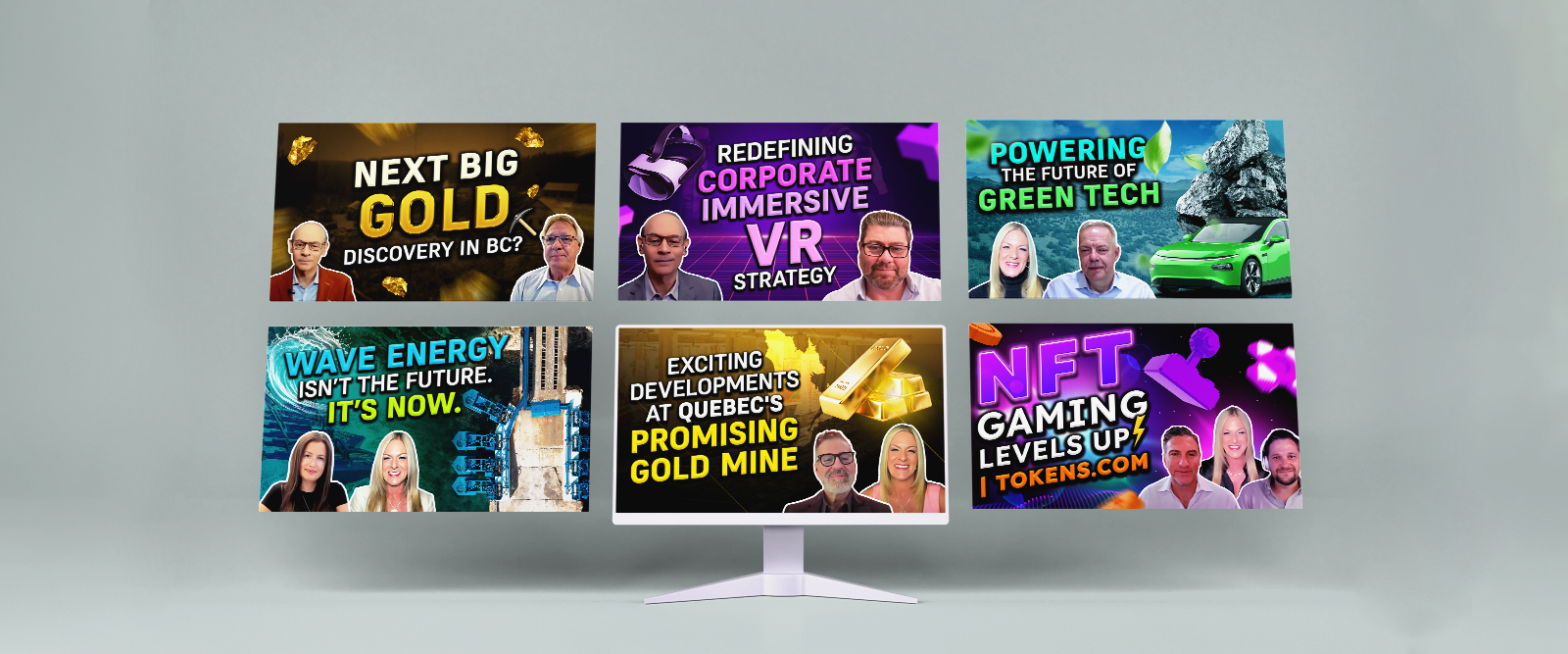
Thumbnails don’t tell the whole story, but should stop the scroll and invite the click. The practices above are just the tip of the iceberg. Graphic design principles like the rule of thirds and catering to audience preferences must also be considered. Global One Media’s services ensure that video thumbnails effectively capture the attention of your target audience. Connect with us.
Titles, Descriptions, and Hashtags Matter for Views
As the second-largest search engine after Google, utilizing Search Engine Optimization (SEO) on YouTube is critical, as it makes it easier for viewers to discover a channel’s content. With over 1 billion hours of video watched on the platform each day, strong SEO can make the difference between a video going viral or being overlooked.
Keyword Research
Before writing a video’s title, description, and tags, the first step is to conduct keyword research. One of the simplest ways to find keywords is by using YouTube’s search bar. Enter a word or phrase and note the auto-suggestions, as they reveal what people are actively searching for.
Video Title
Viewers rely heavily on the title to understand what the video is about. Make sure it is engaging, descriptive, and most importantly, keyword-rich.
YouTube highlights the best practices for crafting titles:
- Be accurate: Ensure your title clearly represents the video
- Be succinct: Keep the title short and place the most important words near the beginning
- Limit ALL CAPS and emojis: Use them sparingly to emphasize emotion or highlight special elements in the video
Video Description
A video’s ranking on YouTube’s algorithm also depends on its descriptions. Make sure each video has a unique description, as this improves search visibility and helps it stand out from similar content.
The description is a tool to cross-promote to other platforms such as X (Formerly Twitter), LinkedIn, Facebook, and Instagram. Always include direct links in the description.
Hashtag
Using hashtags in the title or description will help YouTube classify your content with other videos or playlists that share the same hashtag, making it easier for viewers to find related content. Use a mix of broad and specific tags, including keywords. Be sure to follow YouTube’s tagging policies, which prohibit misleading or excessive tags.

Global One Media’s content writers are skilled at crafting engaging, SEO-optimized copy that drives visibility and connects with your audience. We ensure that our videos highlighting your company feature an informative yet concise description with integrated keywords, links, timestamps, and more, so viewers get the details they need. Learn more.
Expanding Reach Through Collaboration
Collaboration is one of the most effective ways to expand reach. Partnering with other creators introduces you to new audiences while giving your existing viewers something fresh.
Global One Media puts this into practice by working with dedicated YouTube channel hosts who serve as the bridge between publicly listed companies and retail investors.
Learn more about the hosts of our Stocks To Watch channel:
- A multiple Emmy and Edward R. Murrow Award-winning journalist
- Brings over 20 years of experience as an investigative journalist and television anchor for major networks like ABC, CBS, Fox News, NBC, and MSNBC


- Accomplished consulting geologist
- Held key geological roles at Nordic Mineral Exploration AB, Gold Fields Australia, Silver Lake Resources, and Northern Star Resources
- Experienced with commodities including copper, rare earths, lithium, and uranium
- Voice behind the Passive Income Investor YouTube channel with nearly 27,000 subscribers.
- Shares insights on Canadian dividend stocks, growth stocks, and penny stocks while documenting his financial independence journey toward early retirement.

By collaborating with journalists, technical experts, and financial influencers, we extend Stocks To Watch’s reach even further. This builds trust, increases visibility, and connects us with new investor communities.
Build a Winning YouTube Strategy
Success on YouTube in 2025 doesn’t happen by chance. Behind every overnight sensation are creators who have grown through consistency, effort, and smart use of current social media best practices.
We bring these elements together by combining proven methods with the agility to adapt to emerging trends. The result is content that captures attention, builds trust, and expands reach. By applying these strategies, channels can see real results. From February 2 to August 25, 2025, VidIQ data shows that our Stocks To Watch channel achieved a 111% rise in views, a 1200% surge in subscribers, and 115 videos published.
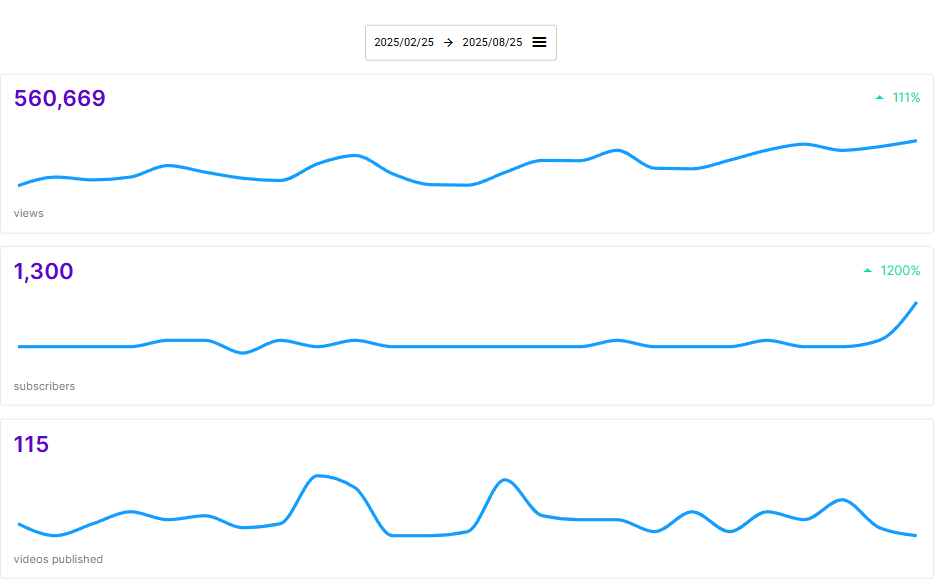
As we head into the final quarter of 2025, it’s clear what strategies have driven growth this year. These trends are likely to continue shaping YouTube success in 2026, but channels must be ready to adapt to the platform’s ever-changing landscape.
Partner with Global One Media today to build your YouTube strategy and strengthen your influence with retail investors. Contact us.

8 Emerging Social Media Platforms You Need to Know
Key points:
- Why brands can’t ignore emerging social media platforms
- 8 important social media platforms to pay attention to
- Key takeaways to guide your next move in social media marketing
It’s no surprise that the average American adult spends at least two hours on social media daily. After all, for a world always in motion, social media almost always manages to be one step ahead. From global news to pop culture moments, everything is captured, discussed, and amplified online—often through a social media platform.
And it’s not just private individuals online; businesses have caught up with the hype. Many companies across industries use social media marketing to boost their image and cast their net wide to reach millions of people. With a single post or video, they can enhance their branding, communicate their message, and rapidly grow their audience.

Other advantages of social media marketing include:
- Creating transparency and building trust with your audience
- Effective and timely distribution of messaging
- Trackable progress and low-cost options for business accounts
Social media offers a powerful marketing opportunity for businesses. However, capturing attention is only the first step. Maintaining a consistent brand personality across every platform helps ensure a clear message to your audience.
Whether it’s Facebook, Instagram, X, or LinkedIn, every post should align with your company’s identity. But with the social media giants dominating the space, is there still room for new kids on the block? These eight social media platforms seem to think so.
These emerging platforms have carved out unique niches, combining strong branding with loyal user bases that continue to grow through word-of-mouth and community engagement. With their expanding subscriber bases, they’ve secured a place for themselves in an already crowded social media landscape.
In the fast-paced online world, the ability to genuinely connect with your audience is a major strength for any company. What may seem simple is actually remarkable—organically building an online community with long-term growth potential is something more companies need to catch up on.
Explore these eight up-and-coming platforms. Your company just might discover a new way to connect with its community.
| Platform | Best For | Users |
|---|---|---|
| Mastodon | Connecting with various communities | ~8.1M (June 2025) |
| Jagat | Expanding your network and building local connections | 10M (January 2025) |
| Lemon8 | Effective brand messaging | 15M (March 2025) |
| Substack | Reaching the target demographic with long-form content | 20M (January 2025) |
| BlueSky | Connecting with local and international communities | 35M (July 2025) |
| Discord | Engaging and connecting with communities | 200M (May 2025) |
| Xiaohongshu (RedNote) | Reaching the target demographic with short-form content | 300M (May 2025) |
| Threads | Sharing short-form content and joining real-time conversations | 320M (July 2025) |
1. Mastodon
Users: approximately 8.1 million (as of June 2025)1
Best for: Connecting with various communities
Social networking—done in moderation. Mastodon stands out as an open-source, decentralized social media platform developed by a non-profit organization. It gives users control over their social media presence and activity through unique servers, giving online communities autonomy and flexibility in a safe online space.
2. Jagat
Users: 10 million (as of January 2025)
Best for: Expanding your network and building local connections
Never lose track of your friends on the location-based social media platform Jagat. The app allows users to share real-time location updates and connect with like-minded individuals within the area. Mapping a new world and communities through chats and videos is possible through this emerging platform.
3. Lemon8
Users: Over 15 million (as of March 2025)
Best for: Effective brand messaging
A lifestyle community platform that actively chooses quality over quantity, Lemon8 is considered TikTok’s sister app and is slowly gaining ground among Gen Z and millennial women. The platform’s magazine-like approach to lifestyle content and topic-driven engagement are both key features that make it stand out.
4. Substack
Users: Over 20 million monthly active subscribers (as of January 2025)
Best for: Reaching the target demographic with long-form content
Hey, you’ve got mail! Check your inbox, it’s from Substack. This online platform hosts paid newsletters written by authors from all kinds of industries and fields, covering everything from politics and pop culture to tech, travel, and more. Readers can support writers directly through subscriptions, making it a powerful tool for long-form, subscriber-driven content.
5. BlueSky
Users: Over 35 million (as of July 2025)2
Best for: Connecting with local and international communities
Talk about everything under the sky in the open network, micro-blogging platform BlueSky. Heralding the social internet, this social media platform allows users to curate their timeline and media consumption through filters and other tools. Users can keep track of broad networks such as global news, as well as micro-networks such as friends and family, ultimately aiming for a better online experience.
6. Discord
Users: 200 million global monthly users (as of May 2025)3
Best for: Engaging and connecting with communities
Originally for gamers, Discord has since blossomed into a social media platform for all kinds of communities. With voice, video, and text features organized into servers, it’s now a platform for creators, brands, and fans alike. Its community-first model continues to attract new users daily.
7. Xiaohongshu (RedNote)
Users: Over 300 million users (as of May 2025)
Best for: Reaching the target demographic with short-form content
A short video lifestyle and social media platform primarily catering to Chinese users, many users crossed the ocean to access RedNote during the TikTok ban that occurred earlier this year. Its unique algorithm is one of the key reasons why users stay, creating an authentic online experience in an already noisy online world.
8. Threads
Users: Over 320 million monthly users (as of July 2025)4
Best for: Sharing short-form content and joining real-time conversations
The Robin to Instagram’s Batman, Threads, was launched in 2023 and has quickly climbed the ladder towards the social media giants. With a text-based social media platform similar to competitor X, this social media platform brings micro-blogging to the Metaverse. Users can interact with one another by starting conversations, posting updates, and sharing short-form videos and pictures.

Enter the Social Media Space
Staying current with the evolving social media landscape can help your business get an edge in an already fast-paced environment. Relying on the same old tricks and skills no longer cuts it—your strategy needs to evolve to stand out.
At Global One Media, we make social media marketing easier for you. Our success in elevating the social media presence of our clients, from small to mid-cap listed companies across industries, proves just how impactful the right strategy can be.
Our current work with Arctic Minerals, detailed in our case studies, dramatically boosted their social media engagement. After modernizing and sharpening their brand image, Instagram visits increased by 230.8%, and Facebook visits surged by 1,600%. While many factors can influence stock performance, this digital impact aligned with a notable upward trend. Between November 2024 and June 2025, ARCT stock rallied 127% from its lows and is currently up +49.63% over the 7-month period. Beyond social media management, we also offer website design, email marketing, and more.
Ready to jump ahead? Contact us and start upgrading your company‘s social media presence today!
1 Mastodon has around 8.1 million registered accounts as of June 2025, with around 300,000 active users on Mastodon.social’s main server.
2 BlueSky reportedly has over 35 million registered users and 4.1 million daily U.S. and U.K.-based active users as of June 2025.
3 Discord has over 614 million registered users and 200 million monthly active users as of May 2025.
4 Threads has over 320 million monthly active users, with around 115.1 million daily active users as of July 2025.

Space-Based Solar Power (SBSP): The Next Big Thing in Renewable Energy?
Key points:
- Space-based solar power offers constant and reliable energy.
- Countries are already launching early tests and prototypes.
- A scalable solution for reducing fossil fuel use and meeting global demand.
Imagine a future where sunlight isn’t limited by clouds or nightfall, where it’s collected in space, far above Earth’s atmosphere. This is the promise of space-based solar power (SBSP). As energy demands rise and the pressure to shift away from fossil fuels increases, SBSP is gradually moving from a theoretical concept to a developing field—supported by early-stage experiments, growing interest, and international exploration.

Why We Need It
- Always-on renewable energy – Solar power on Earth has its limits. But in space, sunlight is constant. Space-based solar power can always capture energy, providing a steady and reliable power source all day, in any weather conditions.
- Massive demand growth – Driven by rising energy demand and the need for renewables, SBSP is projected to become a $4.7 billion market by 2030, especially in remote settings.
- Energy security – Unaffected by weather or disruptions on Earth, it is ideal for powering remote operations, military bases, and disaster relief efforts.
- Grid stability – Unlike wind and solar, SBSP offers steady, controllable power. This helps balance the grid and reduces the need for costly storage and fossil fuel backups.
How It Works
Space-based solar starts with huge solar panels placed in space, either closer to Earth or farther out where they stay in the same spot above us. These panels come in various designs, from giant reflectors to smaller, connected parts, all working together to capture sunlight.
Once the sunlight is collected, the energy is turned into microwave or laser beams and sent down to Earth, where ground antennas called rectennas receive and convert it back into electricity. These rectenna farms can span hundreds of meters, delivering clean energy from space into our energy systems.

Key Players and Real-World Projects
Across the globe, space-based solar power is moving from vision to reality.
ESA’s SOLARIS program is paving the way in Europe, with plans to test orbital systems by 2030 and potentially power up to a third of the continent by 2040.
In the UK, Space Solar is developing Merlin, which aims to power 45,000 homes by the end of the decade.
Caltech’s MAPLE experiment in the U.S. has already achieved a breakthrough, successfully beaming microwave energy from space.
Meanwhile, Japan’s OHISAMA is set to launch in 2025. This satellite will beam enough energy to power a few household appliances.
Challenges in Space-Based Solar Power
While space-based solar power is promising, it also faces challenges. Launching and building massive systems in space can be expensive. The technology must become cheaper and more efficient to compete with Earth-based solar.
In space, the equipment must withstand extreme heat, cold, and floating debris. On Earth, issues like land use, regulations, and public acceptance still need to be addressed.
There are also energy conversion and transmission losses. It’s estimated that only about 10–15% of the original solar energy reaches the ground after passing through all system stages, making efficiency a key challenge for SBSP’s commercial use.
Another concern is space traffic. Earth’s orbits are already crowded with satellites, raising the risk of collisions, signal interference, and complications in managing orbital operations.
Since the technology is still in its early stages, it’ll take time before it goes mainstream. From an investor’s perspective, this signals the need for deeper insight into its long-term potential, timelines, and realistic expectations.
Beyond Space: Solar's Role Today
While space-based solar power is still in development, conventional solar energy continues to grow rapidly. It’s already powering homes, businesses, and even vehicles—making clean energy more accessible.
Take commercial transport, for example. Companies like Sono Group N.V. are building solar-powered vehicles that charge as they move, easing the pressure on charging networks and cutting emissions along the way.
So even as we look to space for future energy, solar is already playing a significant role in meeting today’s energy needs.
A New Era of Energy
Space-based solar power may take time, but it’s becoming increasingly possible. With growing investment, it could change how we power the world—cleanly and consistently. In the coming decades, SBSP could help end our dependency on fossil fuels, reduce energy geopolitics, and deliver clean electricity on a global scale.

Why TikTok Is Here to Stay Despite the 2025 U.S. Ban
Key points:
- The app was briefly removed from U.S. app stores due to concerns over data security, misinformation, and national security on January 19.
- TikTok is transforming financial literacy, with 65% citing TikTok as a major influence on their investment decisions.
- With its powerful algorithm and engaged user base, TikTok remains a key platform for brands looking to expand their reach.
Since its launch in 2018, TikTok has become a dominant force in the social media landscape. Its bite-sized videos, highly personalized algorithm, and viral audio trends have captivated audiences worldwide.
So, it was no surprise that the whole world stopped scrolling once the app became unavailable in US Apple and Google app stores on January 19. This removal followed a law passed by Congress in April 2024, requiring ByteDance—TikTok’s Chinese parent company—to sell the platform to a non-Chinese owner or face a complete U.S. ban.
With over 170 million U.S. users and a massive global reach, TikTok’s future remains a hot topic of debate. But make no mistake—this social media powerhouse isn’t going anywhere just yet.
So There’s a Ban—What Happens Next?
With TikTok’s potential ban looming, countless content creators and businesses—especially small ones—face uncertainty.
In response, negotiations are underway to keep the social media platform operational in the U.S. Upon taking office, President Trump signed an executive order delaying the ban for 75 days. Despite a Supreme Court ruling and a brief 12-hour shutdown, TikTok remains online—but this could change as several factors continue to shape the situation.
Concerns over data security, misinformation, and national security remain the driving forces behind the U.S. government’s push to restrict the app. Several states and universities have already taken independent steps to regulate its use.
To secure its future, TikTok may need to consider rebranding, restructuring, or selling to a non-Chinese owner to comply with U.S. regulations.
How TikTok is Reshaping Finance
While its fate remains uncertain, one thing is clear—TikTok’s influence has already been set in stone. More than just entertainment, TikTok has emerged as a leading platform for financial discussions, providing direct access to experts and bite-sized, easy-to-digest content.
The rise of “influencers” (financial influencers) has fueled this trend, making financial content more accessible than ever. Americans turned to TikTok for financial advice on budgeting (25%), investing (24%), and credit scores and credit cards (33%), proving that the platform is reshaping how people learn about money. In fact, 65% of respondents claim that TikTok helped them feel more financially secure.
More content creators are stepping in to bridge the financial knowledge gap, sharing tips and strategies with young and first-time investors. From budgeting plans to investment insights, TikTok’s bite-sized financial content is reshaping financial literacy, making it more accessible and engaging than ever.


TikTok’s Popularity is Only Getting Bigger
From Gen Z turning to TikTok as a search engine to millennials hopping in the TikTok craze, the platform’s grip on younger demographics is undeniable, making it a dominant force in digital culture.
With its powerful algorithm curating hyperpersonalized content, TikTok’s influence continues to grow. Its cutting-edge technology keeps users engaged, driving its impact on pop culture, finance, and beyond—key factors that could ultimately determine whether the app faces a permanent ban or finds a way to stay.
Optimize Social Media for Your Brand
Social media has transformed how brands connect, delivering content directly to highly targeted audiences. Optimizing your company’s social media reach is essential for building strong connections.
At Global One Media, our marketing experts specialize in maximizing your company’s presence on social media, connecting you with the right audience, and amplifying your company’s message.
Ready to level up your marketing? Contact Global One Media today for a free consultation and discover how we can elevate your brand in the digital landscape!

A Shift in the Energy Market: Exploring Alternative Marine Energy Sources
In this article, we’ll explore
- Various alternative energy sources, from tidal energy to algal biofuel, including their background and future potential.
- The key benefits and challenges of adopting alternative energy sources.
- Notable companies driving innovation and growth in the marine space.
Brace for impact: a tidal wave of innovation is rising.
Hydropower is one of the largest and oldest renewable energy sources globally. According to the U.S. Department of Energy, hydropower accounts for 27% of the total utility-scale renewable electricity generation in the country. It’s no surprise that emerging technologies continue to harness ocean energy, as it’s a promising alternative.
Tidal and wave energy are among the emerging innovations transforming the hydropower sector. In parallel, algal biofuel is gaining attention as a promising marine-based energy source, offering a sustainable alternative to conventional fuels.
In this article, we take a closer look at these alternative energy sources and explore their potential, benefits, and the challenges they face in the energy sector.

From Tidal Energy to Algal Biofuel: How Does It Work?
Inside Tidal Energy
A form of emerging renewable energy, tidal energy harnesses ocean waves to generate electricity. There are two main methods of harnessing tidal energy: tidal barrages, similar to hydroelectric dams, and rotating turbines connected to a generator.
Tidal barrages work like underwater dams, capturing incoming tides to generate power as water flows through turbines. Tidal turbines, on the other hand, operate similarly to wind turbines, except they are placed on the ocean floor.
Understanding Wave Energy
Enormous energy forms as wind blows over the ocean waves, which has the potential to generate electricity. According to the U.S. Energy Information Administration (EIA), in 2023, the United States coasts had an estimated theoretical annual wave energy potential equal to about 63% of total U.S. utility-scale electricity generation, underscoring wave energy’s potential.
A variety of methods and technologies for capturing wave energy are currently in development. These include surface or below-the-surface flotation devices that move with the waves, as well as systems anchored to the ocean floor. Some approaches use catch basins or reservoirs similar to traditional hydropower dams.
Behind Algal Biofuel
Algal biofuel, derived from microalgae, is a promising alternative to fossil fuels. All algae can produce energy-rich oils, and certain microalgal species naturally accumulate high oil content relative to their dry biomass, making them well-suited for biodiesel production.
Compared to other biofuels, algal biofuels offer significant advantages: they require less land and can help remediate waste streams, making them both efficient and environmentally sustainable.

What It Means for the Energy Industry
The world is transitioning to a low-carbon future, and it’s made possible with renewable energy. Renewable energy allows electricity generation to be almost completely decarbonized. This feature is essential as the forecasted global demand for electricity climbs higher every year, with developing countries accounting for 85% of the global demand.
Global sustainability efforts are varied, but many countries are now turning to intensive and renewable energy, as seen by the rapid acceleration of the generation capacity of various renewable energy sources, from solar to wind and hydropower.
However, tidal and wave energy come with challenges. One of the most significant factors is production cost. Commercial tidal energy production is estimated to range from $130 to $280 per megawatt-hour, which is considerably higher than that of wind energy.
One of the key challenges in wave energy is its non-linear behavior, which complicates system optimization. Additionally, the output performance is dependent on the architecture used to harness wave energy.
Technical and legislative challenges are also headwinds in establishing a market in either tidal or wave energy.
Meanwhile, high production and harvesting costs are among the reasons behind the lack of algal biofuel production. Combined with the difficulty of maintaining the algal species needed, commercial algal biofuel production remains a limited venture.
Don’t Miss the Wave
Alternative energies are gaining momentum as the world moves toward sustainable solutions. Green initiatives like the circular economy and renewable energy are just a few strategies in the fight against climate change.
As we transition to a more sustainable future, supporting companies that are driving innovation in clean energy, such as those advancing tidal energy, is more important than ever.
These organizations are not only contributing to global low-carbon emission goals but also shaping a modern and sustainable future. By backing these efforts, we all contribute to meaningful and lasting change.